What is a Bootloader?
A bootloader is the most important piece of software on any computer after the BIOS, which is included with the systems motherboard. Once the BIOS has detected and initialized hardware, it hands things over to the bootloader. Any issues with your bootloader, and your Linux system, will not boot. While Linux is a kernel, and that is the most important piece of your operation system, you cannot get there, you cannot boot the Linux kernel, without a bootloader.
Fun piece of history to research, when Bill Gates first sold DOS to IBM, it lacked a bootloader...
Most people will use the default bootloader of their chosen Linux Distro, but that is not always the case, and some distros will leave the choice of bootloader up to the user, as all things in FOSS should be with reasonable defaults. FOSS is all about freedom and part of that freedom includes choice.
Wait, you can choose a bootloader? YES!
For more information on bootloaders visit the bootloaders' Wikipedia page, or other resources, as this is not about in depth detail on bootloader creation, but just generally, what is a bootloader.
Bootloaders
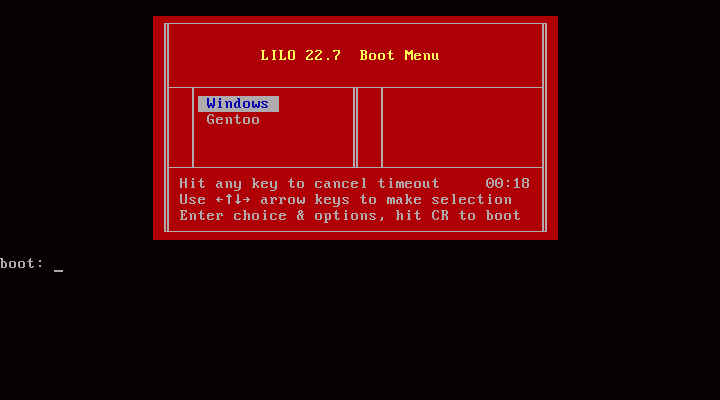
Since Linux and FOSS is all about choice, you have a choice of bootloader. Long ago, the LInux LOader (LILO) was the reigning king of booting Linux systems, and for more information on LILO visit the project and wikipedia pages.

Presently, most Linux systems default bootloader is GNU GRand Unified Bootloader (GRUB), which will not be covered here, but for more information on GNU GRUB visit the project and wikipedia pages.

But, there has always been another major player on the bootloader scene, and if you have ever booted a Linux LiveCD or LiveDVD or similar, you most likely used Syslinux via isolinux, or directly, covered in booting with syslinux.